




Through a professional technical team, we provide customers with targeted equipment selection recommendations and comprehensive after-sales services, winning the trust and recognition of customers.
You use a low pressure test chamber to create controlled environments that mimic high-altitude or low-pressure conditions. This specialized equipment helps you determine if products maintain their integrity when exposed to reduced atmospheric pressure. You rely on these chambers to verify the performance of airtight packaging, electronic components, and critical systems in sectors like aerospace and automotive.
Key Takeaways
-
Low pressure test chambers simulate high-altitude conditions to test product integrity and performance.
-
These chambers are essential in industries like aerospace and automotive, where product failure can have serious consequences.
-
Testing in a controlled environment helps identify weaknesses early, reducing recalls and improving reliability.
-
Safety features, such as leak detection and real-time monitoring, ensure safe operation during testing.
-
Choosing the right test method can enhance product reliability while managing costs effectively.
Low Pressure Test Chamber Overview
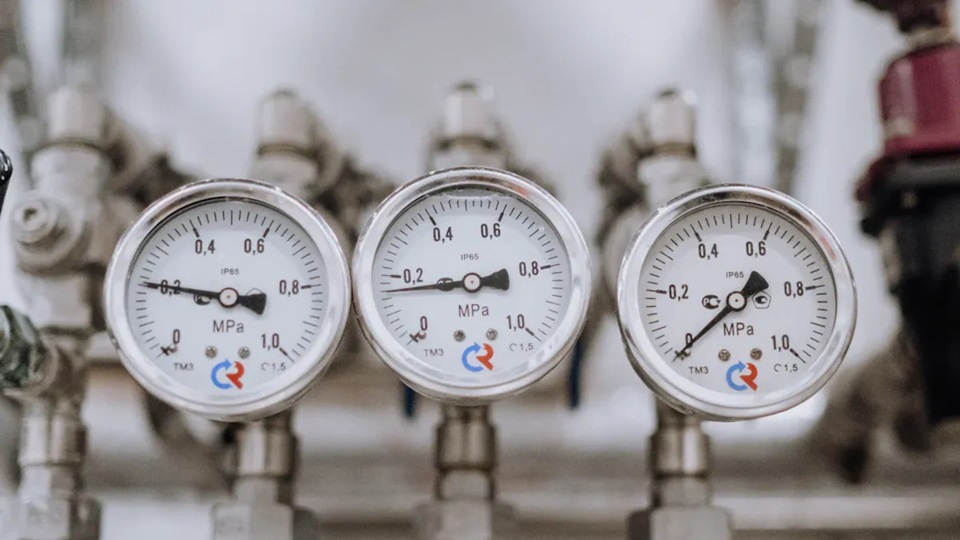
What is a Low Pressure Test Chamber
You use a low pressure test chamber to simulate environments where atmospheric pressure drops below normal levels. This type of climatic chamber allows you to recreate conditions found at high altitudes or during air transportation. The core purpose of a low pressure test chamber is to evaluate how products and materials respond to reduced pressure, which can reveal weaknesses in design, packaging, or material integrity.
A typical climatic chamber operates by reducing the air pressure inside its sealed compartment. You rely on vacuum pumps to remove air, which helps you achieve the desired pressure levels. Electronic pressure regulators and feedback sensors maintain precise control, ensuring that the pressure remains stable or follows a specific profile. Many climatic chambers also include heating and cooling systems, so you can simulate temperature changes that occur at different altitudes. Manufacturers construct these chambers from robust materials such as stainless steel or acrylic to withstand the pressure differentials.
Tip: When you need to test products for air transport or high-altitude use, a climatic chamber provides a controlled and repeatable environment.
Here is a summary of the main technical specifications you might encounter in a low pressure test chamber:
|
Procedure |
Description |
Pressure Levels |
|---|---|---|
|
I |
Storage/Air Transportation |
Max 15,000 ft (4,572m) |
|
II |
Operation/Air Carriage |
Varies based on operational mode |
|
III |
Rapid Decompression |
Initial: 8,000 ft (2,438m), Final: 40,000 ft (12,192m) |
|
IV |
Explosive Decompression |
Similar to Procedure III, but 0.1 seconds decompression time |
Main Uses and Importance
You depend on a low pressure test chamber for a wide range of applications. The most common use involves simulating high-altitude or low-pressure environments to ensure that products remain reliable and safe. This type of climatic chamber is essential for industries where product failure can lead to serious consequences.
You will find that the following industries use climatic chambers most frequently:
|
Industry |
Purpose |
|---|---|
|
Aerospace |
Testing reliability and performance of components under simulated high-altitude conditions. |
|
Automotive |
Ensuring components function in high-altitude environments. |
|
Electronics |
Testing electrical performance parameters of devices under low pressure. |
|
Flat Screen Module Industry |
Conducting temperature and height cycle tests for reliability. |
You might use a low pressure test chamber to evaluate the following products:
|
Industry |
Common Products Tested |
|---|---|
|
Aerospace |
Satellite components, aero-engine parts, airborne electronic equipment (e.g., radar antennas) |
|
Electronics and Communications |
Base station equipment, routers, sensors (e.g., mobile phones) |
|
Military |
Military communication equipment, missile components |
|
Packaging |
Transportation packaging (e.g., food and pharmaceutical packaging) |
|
New Energy |
Power batteries, energy storage equipment (e.g., battery packs) |
|
Third-Party Testing Institutions |
Combined high-low temperature and low-pressure testing services |
You use a climatic chamber to perform a low pressure test on products that must withstand rapid decompression, explosive decompression, or prolonged exposure to low pressure. This process helps you identify leaks, structural weaknesses, or failures in airtight packaging. You can also simulate temperature fluctuations, which is critical for products that travel through different climate zones.
A climatic chamber gives you confidence that your products will perform reliably, whether they are destined for aerospace missions, automotive applications, or sensitive electronic devices. By using a low pressure test chamber, you ensure that your products meet industry standards and maintain safety and quality in real-world conditions.
How Low Pressure Test Chambers Work
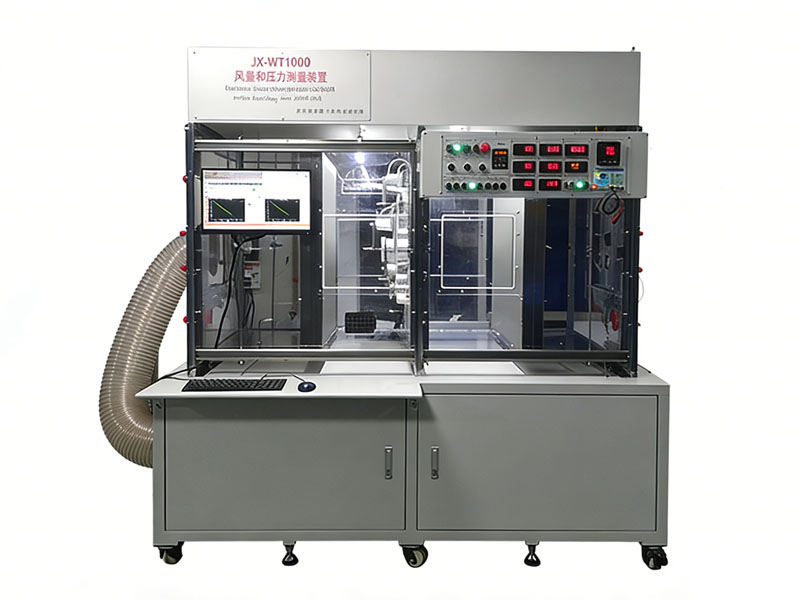
Low Pressure Test Process
When you operate a test chamber, you follow a precise sequence to ensure accurate results. You start by preparing the product and placing it inside the hypobaric chamber. Before you begin testing, you check for leaks and mark any you find with a marker pen. This step helps you address issues before the main test. You then depressurize the system in a controlled manner. This approach prevents rapid cooling and reduces stress on the pipes. You always use designated vent valves for depressurization, considering any non-return valves in the system. You avoid using flanged connections or plugs for this process. You also monitor the vent point temperature to keep it above freezing.
You conduct the reliability test in two main stages. For most equipment, you apply the first round of pressure for at least three minutes. After this, you increase the pressure and hold it for a minimum of fifteen minutes. These durations match industry standards for both API Spec 6A and API Spec 16A equipment. Smaller devices rated at 2000 psi and 3000 psi follow the same guidelines. This method ensures that your testing process is consistent and reliable.
Note: You should always depressurize the test chamber slowly to protect both the equipment and the product inside.
Simulating High Altitude Conditions
You use an altitude chamber to recreate high altitude environments. By reducing the internal pressure, you simulate conditions found at elevations up to 15,000 feet or more. The typical pressure range for this type of testing extends from atmospheric pressure down to as low as 0.5 kPa. This range allows you to mimic the dry, thin air found in high altitude regions.
|
Pressure Range |
Description |
|---|---|
|
Atmospheric pressure~0.5kPa |
Simulates high altitude conditions in a dry test area |
You rely on the hypobaric chamber to evaluate the integrity of airtight packaging and the durability of sensitive components. The altitude chamber helps you identify leaks, material weaknesses, or failures that could compromise safety during transport or use. You can trust this testing method to ensure your products meet strict industry standards and perform reliably in real-world high altitude scenarios.
Key Test Chamber Features
Technical Components
When you evaluate a low pressure test chamber, you should focus on its core technical components. These parts work together to create precise test conditions and deliver reliable results. The chamber structure combines an insulated box, a refrigeration and vacuum unit, and an electrical system. This design ensures durability and stable performance during demanding tests.
You control the chamber environment using a modern control system. This system uses PID control and a touch screen interface, which lets you set parameters for air pressure, temperature, and humidity. The vacuum system includes a vacuum pump, valves, and a measurement system. These elements help you reduce air pressure and monitor it accurately throughout the test.
Here is a summary of the main technical components:
|
Component |
Description |
|---|---|
|
Chamber structure |
Integral combination structure with insulation box, refrigeration and vacuum unit, and electrical system. |
|
Control system |
Regulates air pressure, temperature, and humidity using PID control and touch screen for parameter setting. |
|
Vacuum system |
Comprises vacuum pump, valves, and measurement system to reduce air pressure and ensure accurate readings. |
Modern environmental test chamber designs offer several advancements. You benefit from increased testing efficiency, precise control, and support for comprehensive performance testing. These features help you complete tests faster and identify design issues more effectively.
Safety and Control Systems
You must prioritize safety when operating a low pressure test chamber. Manufacturers integrate advanced safety features to protect both operators and products. The vacuum system uses mechanical pumps that can achieve rapid depressurization, reducing the time from atmospheric pressure to 0.5 kPa in 30 minutes or less. Leak detection sensors trigger automatic shutdown protocols to prevent accidents.
You can monitor the test process in real time with a 360° controllable PTZ camera. Limit switches and locking mechanisms prevent misuse during assembly, while interlocking technology ensures the protective door stays locked until the chamber reaches zero pressure. High-precision electronic sensors allow you to control pressure deviation with accuracy. Multiple safety protection functions and a self-developed control system balance testing efficiency and safety.
The table below highlights key safety features:
|
Safety Feature |
Description |
|---|---|
|
Vacuum System |
Mechanical vacuum pumps with rapid depressurization |
|
Leak Detection Sensors |
Automatic shutdown safety protocols |
|
Monitoring System |
360° controllable PTZ camera for real-time monitoring |
|
Limit Switch and Locking Mechanism |
Prevents misuse during assembly with automatic locking |
|
Interlocking Technology |
Protective door cannot be opened until pressure is zero |
|
High-Precision Electronic Sensor |
Allows precise control of pressure deviation |
|
Multiple Safety Protection Functions |
Ensures operational safety during testing |
|
Self-Developed Control System |
Balances testing efficiency and safety |
Tip: Always check that all safety systems are active before starting a test. This practice protects you and ensures reliable results.
Applications and Benefits
Industry Use Cases
You see low pressure test chambers used across many industries that demand high standards for safety and performance. In high-volume consumer goods, you can run non-destructive tests with rapid cycles and automated systems. This approach reduces recalls and increases throughput, which saves on labor costs. Pharmaceutical companies use these chambers for sensitive leak detection and 100% inspection of blister packs. You benefit from data logging, which helps you improve quality and comply with regulations. In the food industry, you rely on these chambers to maintain sterile environments and optimize processes for aseptic packaging. This practice extends shelf life, reduces waste, and improves efficiency.
|
Industry |
Key Benefits |
ROI Factors |
|---|---|---|
|
High-Volume Consumer Goods |
Non-destructive testing, rapid cycles, automation |
Reduced recalls, increased throughput, labor savings |
|
Pharmaceutical Blister Packs |
Sensitive leak detection, 100% inspection, data logs |
Quality improvements, compliance, fewer rejections |
|
Food Industry Aseptic Packaging |
Sterile environment, high-speed testing, optimization |
Extended shelf life, reduced waste, efficiency |
Tip: You can maximize your return on investment by choosing a chamber that matches your industry's testing needs.
Product Reliability and Safety
You use low pressure test chambers to boost reliability and ensure safety for your customers. Testing products in extreme conditions helps you find weaknesses early, which leads to fewer recalls and higher reliability. You also meet strict industry standards, which prevents delays and supports regulatory compliance. By running these tests, you gain insights that help you reduce the risk of failures caused by pressure changes or harsh environments. This process protects your brand and keeps your customers satisfied.
|
Safety Benefit |
Description |
|---|---|
|
Enhanced Product Reliability |
Testing in extreme conditions helps identify weaknesses, leading to higher reliability and fewer recalls. |
|
Compliance with Industry Standards |
Ensures products meet strict performance criteria, avoiding delays and ensuring regulatory compliance. |
|
Risk Mitigation |
Provides insights to minimize the risk of product failures due to extreme weather or pressure changes, ensuring customer safety and satisfaction. |
You should also consider the cost aspects of testing. The initial investment for a chamber can be significant, but you gain efficiency through the ability to test multiple products at once. Test time and stabilization periods affect your throughput, but you can compare these costs with other methods like helium leak testing, which may offer shorter test times but at a higher price.
|
Cost Aspect |
Description |
|---|---|
|
Purchasing Costs |
Initial investment required for low pressure test chambers. |
|
Test Time |
Duration of the testing process, which affects overall efficiency and throughput. |
|
Capacity of Test Station |
The ability of the test station to handle multiple tests simultaneously, impacting operational costs. |
|
Stabilization/Drying Times |
Additional time required for products to stabilize or dry, influencing total testing time. |
|
Comparison with Helium Testing |
Helium leak testing offers shorter test times but at a higher cost compared to low pressure methods. |
Note: You improve product reliability and safety while managing costs by selecting the right test method for your application.
You rely on low pressure test chambers to simulate high-altitude and low-pressure environments. These chambers play a vital role in laboratory environmental testing equipment, helping you verify product reliability and airtight packaging integrity. You often face challenges such as:
-
Maintaining precise pressure measurements
-
Managing temperature effects on instruments
-
Selecting the right sensor technology
You should use these chambers in aerospace, automotive, and pharmaceutical applications where safety and reliability matter most.
FAQ
What products can you test in a low pressure chamber?
You can test electronic devices, aerospace components, automotive parts, and packaging materials. The chamber helps you verify product integrity and performance under simulated high-altitude or low-pressure conditions.
How do you ensure safety during testing?
You activate all safety systems before starting a test. Leak detection sensors, interlocking doors, and real-time monitoring protect you and your products.
Tip: Always follow manufacturer guidelines for safe operation.
What pressure levels can you simulate?
You can simulate atmospheric pressure down to 0.5 kPa. This range covers conditions found at high altitudes and during air transport.
|
Pressure Level |
Application |
|---|---|
|
0.5 kPa |
High-altitude tests |
|
Atmospheric |
Standard tests |
How long does a typical test take?
You usually complete a test within 30 minutes to an hour. The duration depends on the product and the required pressure profile.
Note: Some tests may require longer stabilization periods.
Why should you use a low pressure test chamber?
You use a low pressure test chamber to detect leaks, verify product reliability, and ensure compliance with industry standards.
-
Boosts safety
-
Reduces recalls
-
Supports regulatory requirements

 IPv6 network supported