Key Takeaways
- Natural convection chambers work by warm air going up and cool air going down. This keeps the temperature steady so tests are reliable.
- Good insulation, like glass fiber or foam, stops heat from escaping. This helps the chamber keep the right temperature all the time.
- PID microprocessor control changes the heat fast when sensors notice a change. This gives quick and exact temperature control for good testing.
- Observation windows let you look at samples without opening the door. This keeps the air moving right and the temperature steady.
- Gentle airflow from natural convection lowers the chance of contamination. This keeps your samples safe from germs and dust.
Natural Convection in Chambers
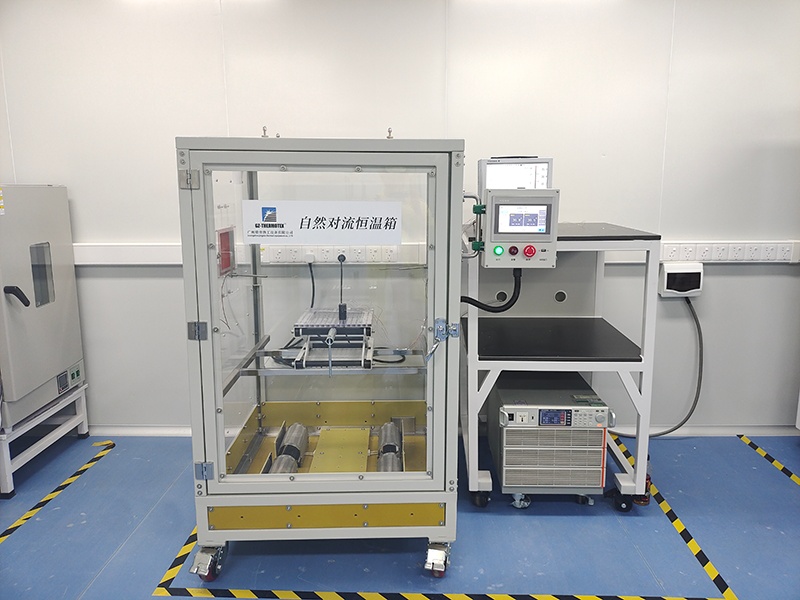
Air Movement and Temperature Gradients
Air moves inside a chamber because of temperature differences. When one part gets heated, the air there turns warmer and lighter. The cooler air is heavier and sinks to the bottom. This makes a cycle that keeps the air moving all the time.
Natural convection happens when temperature changes make the fluid move. Warmer fluid rises because it is lighter. Cooler fluid sinks because it is heavier. This keeps the air flowing in the chamber.
This cycle helps keep the temperature even everywhere in the chamber. You can count on a natural convection constant temperature chamber to use this process. It makes sure your samples get the same heat in every spot.
- Natural convection starts because of density changes from temperature gradients.
- There are two types: internal and external convection.
- Internal convection is harder to understand and has solid walls. External convection uses boundary layer theory.
How well natural convection works depends on the chamber’s design. If you turn the chamber, the air movement can get stronger or weaker. The temperature gradient is the difference between hot and cold spots. A bigger gradient means the air moves more.
You also need to think about the air’s properties. If the air is not thick and holds heat well, it moves easier. This helps the chamber keep the temperature steady.
Buoyancy Force and Heat Transfer
The buoyancy force pushes warm air up and pulls cool air down. This force is why air moves in natural convection incubators and chambers. When you use a natural convection constant temperature chamber, you depend on this force to spread heat evenly.
Natural convection happens when buoyancy forces are stronger than viscous forces. These forces come from density changes caused by temperature gradients. This is important in chambers where temperature changes make the air move. Changing the chamber’s position can make natural convection work better. This changes the buoyancy force.
How heat moves in the chamber depends on the buoyancy force. If you use supercritical fluids, the force can change a lot. This can affect how well the chamber works. The boundary layer is a thin layer of air near the walls. It changes when the force changes. This can make heat move faster or slower.
You can see how different surfaces affect heat transfer by looking at the heat transfer coefficient. Here is a table that shows how surface orientation changes heat transfer:
| Surface Orientation |
Discrepancy Factor |
| Vertical Surfaces |
Up to 5 |
| Horizontal Surfaces (Upward) |
Up to 4 |
| Horizontal Surfaces (Downward) |
Up to 8 |
The chamber’s design can change how well natural convection works. If you put plates or obstacles inside, the air flow slows down. This can make the temperature less even.
| Evidence Description |
Impact on Temperature Stability |
| The way convection and the distance between walls change streamlines and Nusselt numbers. |
This shows how convection patterns affect heat transfer, which is important for keeping the temperature steady. |
| Making the temperature difference bigger controls the flow by the temperature gradient. |
This shows that temperature gradients are important for good temperature control. |
| A cavity with a plate inside moves less heat than an empty one. |
This means that design choices can change heat transfer and temperature stability. |
| Solid objects inside the fluid block the flow and change heat transfer rates. |
This shows that obstacles can mess up natural convection, which is important for keeping the temperature even. |
When you use natural convection incubators, you get a system that acts like real life. The chamber uses natural convection to keep the temperature steady. This is important for tests that need to be correct. You can trust the chamber to give you good results because it uses the laws of physics to keep the temperature constant.
Temperature-Control Mechanisms
Insulation and Heat Retention
You need good insulation to keep the chamber warm. Insulation keeps heat from leaving the chamber. This helps the temperature stay steady. In a natural convection constant temperature chamber, you often see glass fiber or cellulose. These materials slow down air moving inside the walls. This means less heat leaves through convection. The chamber keeps its heat better, so the temperature is more accurate.
Some chambers use closed-cell spray polyurethane foam. This foam stops air from moving inside the insulation. Almost no heat escapes from convection. This keeps the chamber warm for a long time. Using the right insulation helps natural convection incubators work well. You get even heat everywhere in the chamber.
Tip: Good insulation helps your temperature sensors measure the real temperature inside, not just near the walls.
Heating Methods in Natural Convection Incubators
There are different ways to heat a chamber. Each way helps keep the temperature steady and correct. In natural convection incubators, you often see these heating methods:
- Electric thermostatic incubators use electric heaters. You set the temperature, and the system keeps it close to your goal.
- Water jackets put water around the chamber. Water holds heat well and spreads it evenly. This gives you even heat and helps your sensors read the right temperature.
- Thermoelectric temperature control systems use special devices to heat or cool. These systems are good for the environment and give you very exact temperatures.
Water jackets work well because water can hold a lot of heat. Water does not change temperature quickly. With a water jacket, you get steady heat and less temperature change. Your samples stay safe, and your tests are more reliable.
Where you put the heater matters too. If you put the heater at the bottom, heat rises and spreads out. This is because of natural convection. Studies show bottom heating moves heat 3–5 times better than side or inside heating. For best results, put the heater flat near the bottom. This helps your sensors pick up even heat everywhere.
| Heating Method |
How It Works |
Benefit for Temperature Accuracy |
| Electric Thermostatic |
Heats air directly |
Fast response, easy to control |
| Water Jacket |
Circulates warm water around chamber |
High temperature uniformity |
| Thermoelectric |
Uses Peltier devices for heating/cooling |
Eco-friendly, precise control |
PID Microprocessor Control
Smart control helps keep the chamber at the right temperature. Most natural convection incubators use PID microprocessor control. PID stands for Proportional, Integral, and Derivative. This system checks the sensors and changes the heater to keep the temperature steady.
- The Proportional part fixes the temperature right now.
- The Integral part fixes old mistakes.
- The Derivative part guesses what will happen next.
A PID controller gives you fast and correct temperature control. The controller reads the sensors and changes the heater quickly. This stops big temperature swings. You reach your set temperature faster. You get better accuracy and more reliable results.
How fast the PID controller reacts is important. If it reacts quickly, the temperature does not change much. The chamber stays at the right temperature. Your samples stay safe. This is why many labs use natural convection constant temperature chamber systems with PID control for important tests.
Note: Check your temperature sensors often. Clean sensors help you get the best accuracy and make your PID controller work well.
Features for Constant Temperature Stability
Observation Windows and Solid Doors
Many chambers have observation windows and solid doors. These features help keep the temperature steady. The solid door stops outside air from coming in. This keeps the heat inside and stops fast temperature changes. The observation window lets you look at your samples without opening the door. You do not mess up the airflow or convection inside. This helps the chamber stay at the right temperature for your tests.
Here is a table that shows how each feature helps keep the chamber stable:
| Feature |
Description |
| Gravity Convection |
Uses the natural flow of heat. Hot air rises and moves gently around the chamber. This gives even heating without fans or blowers. |
You can count on these features to help natural convection work well. They help you get good results every time you use the chamber.
Self-Diagnostics and Monitoring
Self-diagnostic systems make your chamber safer and more reliable. These systems check for problems and tell you if something is wrong. Overheat protection stops the chamber from getting too hot. Alarms warn you if the temperature changes a lot. Fail-safes make sure the chamber does not run when it is not safe.
| Feature |
Benefit |
| Overheat protection systems |
Stops the chamber from getting too hot |
| Alarms for temperature deviations |
Warns you if the temperature is not right |
| Fail-safes |
Stops the chamber from working if it is unsafe |
You can trust your chamber to keep the right temperature. These features help you avoid mistakes and keep your samples safe. The chamber uses natural convection and smart controls to give you steady and correct results.
Contamination Risk Reduction
You want to keep your samples safe from germs and dirt. The chamber’s design helps you do this. The airflow inside the chamber is gentle because of natural convection. This gentle air movement lowers the chance of spreading germs or particles. Studies show that local airflow patterns are more important than how much air moves in total. If the air moves too fast, it can make turbulence and spread germs.
The chamber keeps the airflow smooth. This lowers the risk of cross-contamination. When you use a chamber with the right airflow, you protect your samples and yourself. All the features work together to keep the temperature steady and the air clean.
Note: Special features in a natural convection chamber help keep the temperature steady for a long time. These features make sure the chamber works well, even when things get tough.
You can count on natural convection chambers to keep the temperature steady during tests. These chambers use smart systems and special parts to give you good results.
- You get exact and steady heat for testing electronics.
- There is no wind, so the temperature stays even.
- You can test many things, like tablets and servers.
- These chambers help with research, checking, and hot tests.
- You can pick different sizes and advanced controls.
| Feature |
Natural Convection |
Forced Convection |
| Reliability |
Higher |
Lower |
| Maintenance |
Lower |
Higher |
| Initial Costs |
Lower |
Higher |
| Operational Expenses |
None for fan replacement |
Ongoing for power and fans |
Studies show that using convection, smart controls, and special parts keeps temperature changes very small. This helps keep your samples safe and your results correct.
FAQ
What is a natural convection chamber?
A natural convection chamber keeps the temperature steady. Warm air goes up, and cool air goes down. This makes the heat spread out evenly. You do not need any fans or blowers to move the air.
How does insulation help maintain temperature?
Insulation keeps heat from leaving the chamber. This means less heat escapes. Materials like glass fiber or foam work best for this. Insulation helps your samples stay at the right temperature.
Why do you need PID microprocessor control?
PID microprocessor control watches the temperature sensors. It changes the heater fast when needed. This keeps the temperature steady and correct. Your tests stay accurate and reliable.
Can you observe samples without disturbing the chamber?
Observation windows let you look at your samples. You do not have to open the door. This keeps the airflow steady inside. The chamber stays at the right temperature.
How does natural convection reduce contamination risk?
Gentle airflow lowers the chance of spreading germs. This helps protect your samples. Fast air can make the air swirl and spread germs. Natural convection keeps the air smooth and clean.






 IPv6 network supported