




Through a professional technical team, we provide customers with targeted equipment selection recommendations and comprehensive after-sales services, winning the trust and recognition of customers.
You use an air flow test bench to see how much air goes through engine parts. It also shows how much pressure drops when air moves through. This tool helps you find out if a part blocks air. If a part blocks air, the engine or system may not work well.
|
Definition of Air Flow Test Bench |
Primary Functions |
|---|---|
|
A flow bench is a tool that checks how much engine parts slow down air. |
It checks how much air and pressure drop across parts to help engines work better. |
Engineers use these benches because they give the same results every time. They are very important in jobs where performance and saving energy are needed.
Key Takeaways
-
An air flow test bench checks how much air moves through engine parts. This helps find blockages that can hurt how the engine works.
-
A flow bench helps make engine parts like cylinder heads and manifolds better. Good airflow makes engines work well and saves fuel.
-
You must check and fix the sensors on the flow bench often. This makes sure the test results are right and can be trusted. Always look at the sensors before you start testing.
-
Flow benches are very important for people who build engines and for HVAC systems. They test fans and boxes to make sure air moves right and things stay cool.
-
Knowing about airflow and pressure changes can make cars work better. Less resistance means the car can go faster and use less energy.
What is an Air Flow Test Bench
Main Purpose
You use an air flow test bench to measure how air moves through engine parts and other components. This tool helps you see how much air can pass through and how much resistance each part creates. When you test parts like cylinder heads, manifolds, or air filters, you want to know if they allow enough flow for the engine to work well. The air flow test bench gives you clear numbers that show how well each part handles airflow.
Here is a table that shows the main purposes and applications of an air flow test bench:
|
Purpose of Air Flow Test Bench |
Applications |
|---|---|
|
Test internal aerodynamic qualities of engine components |
Evaluate intake and exhaust ports of cylinder heads |
|
Optimize flow capabilities of engine components |
Test air filters, carburetors, manifolds, etc. |
You can see that the air flow test bench helps you improve the flow in many engine parts. When you optimize flow, you help engines run better and use less fuel.
Key Components
An air flow test bench has several important parts. Each part works together to measure flow and pressure accurately. You can find these key components in most benches:
-
A strong and stable structure keeps the bench safe during tests.
-
A precision control system lets you set and monitor test conditions.
-
High degree of automation makes testing faster and easier.
-
Multifunctional design allows you to test many types of parts.
-
Sensors and gauges measure airflow and pressure changes.
-
High frequency vibration and load test features help you test parts under real conditions.
Tip: When you use an air flow test bench, always check that the sensors and control systems work well. This helps you get reliable results every time.
Each component plays a role in making sure you get accurate flow data. When you use the bench, you can trust the numbers to help you make better choices about engine design and performance.
How a Flowbench Works
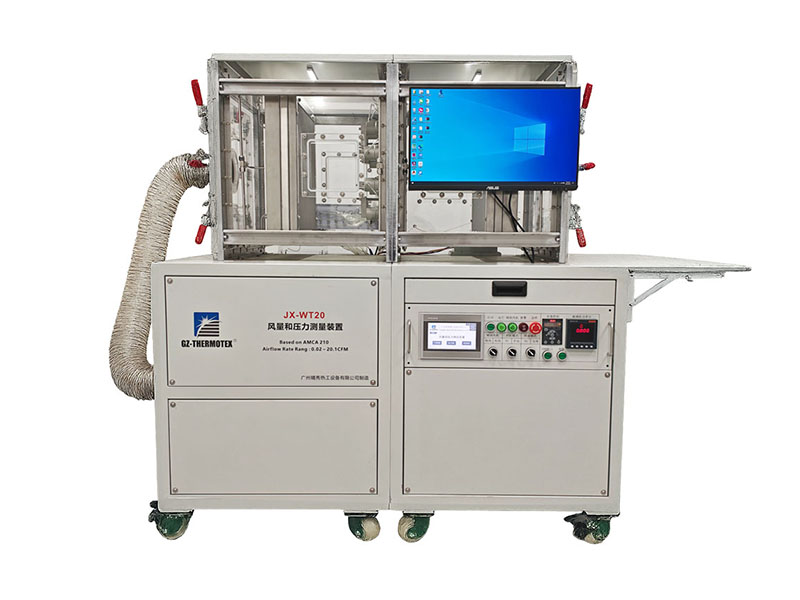
Airflow Measurement Process
When you use a flowbench, you watch how air moves through a part. It works like a vacuum cleaner or a small wind tunnel. You put the part on the bench. The machine pushes or pulls air through it. You can change how fast the air goes and which way it moves.
Sensors and special tools help measure the air. A mass air flow sensor checks how much air goes through the part. A differential pressure transducer shows how much pressure drops as air moves. The flowbench uses these numbers to show the flow rate. It also checks the air’s temperature and pressure. This helps you turn mass flow into volumetric flow. Volumetric flow tells you how much space the air fills.
You use many sensors and instruments when you test. Some common ones are:
-
Differential pressure sensors
-
Temperature sensors
-
Humidity sensors
-
Barometric pressure sensors
-
Orifice plates
-
Venturi tubes
-
Turbine meters
-
MAP sensors
-
Hot-wire anemometers
-
Capture hoods
-
Duct leakage testers
-
Micromanometers
-
Multi-function anemometers
-
Rotating vanes
-
Velocity meters
Each sensor helps you see how air moves. The flowbench collects all the data and shows results. You can see if the part lets enough air through or blocks it too much.
Tip: Always check your sensors before testing. Clean sensors give you better results and help you trust your flowbench data.
Pressure Differential
The flowbench makes a pressure difference across the part you test. This difference pushes air through the part. It is like blowing air through a straw. If the pressure difference is bigger, the air moves faster.
You measure the pressure drop with a manometer or pressure gauge. Most tests use a standard pressure drop, often 28 inches of water. This makes it easy to compare results from different tests. The pressure difference is the force that moves the air. If you raise the pressure, you also raise the flow volume and speed.
Here are the steps to measure pressure difference:
-
Pick the cylinder head or part to test.
-
Use a pressure-differential valve that fits the part.
-
Connect tubing from the valve to a pressure gauge.
-
Start the flowbench and watch the pressure readings.
-
Write down the flow numbers at the set pressure.
The flowbench keeps the pressure steady during tests. This is important because it gives you fair results every time. If the pressure changes, your flow numbers will not match real conditions.
The table below shows what happens when you change pressure and flow:
|
Scenario |
Description |
Airflow |
Static Pressure |
|---|---|---|---|
|
1 |
Open enclosure with no block |
Maximum |
Zero |
|
2 |
Enclosed with small exhaust hole |
Limited |
Increased |
|
3 |
Closed enclosure |
Zero |
Maximum exceeded |
You can see that if nothing blocks the air, you get the most flow and almost no pressure. If you close the path, the flow stops and the pressure goes up. The flowbench helps you find the best mix of flow and pressure for your parts.
The flowbench gives you a clear way to test and improve engine parts. You can use it to check how changes in design affect flow and pressure. This helps you make better choices when building or tuning engines.
Flow Bench Applications
Engine Component Testing
You use a flow bench to test many engine parts. The most common parts are cylinder heads, intake manifolds, and exhaust systems. When you place a part on the flowbench, you can measure how much flow passes through it. You also see how much the part slows down the air. This helps you find out if the part will help your engine breathe better.
You start by mounting the part on the flowbench. The machine moves air through the part at a steady rate. You watch the gauges to see the flow and pressure. If you see a big drop in pressure, the part may block the flow too much. You can change the design and test again. This process helps you make better engine parts.
Flow bench testing is important for engine builders. You want your engine to make more power and use less fuel. The flowbench gives you numbers you can trust. Racing teams use the flow bench to get every bit of power from their engines. You can compare different parts and pick the best one for your needs.
Here is a table that shows how the flow bench helps you improve engine performance:
|
What the Flow Bench Does |
How It Helps You Improve Performance |
|---|---|
|
Measures flow through engine parts |
Lets you see which parts move more air |
|
Shows pressure drop across components |
Helps you find parts that block flow |
|
Gives repeatable, accurate results |
Makes it easy to compare changes and upgrades |
|
Saves time in testing |
Lets you test many designs quickly |
Fan and Enclosure Analysis
You can also use a flow bench to test fans and enclosures. This is important for HVAC systems and electronics cooling. The flowbench lets you measure how much flow a fan can move and how much pressure it can create. You can draw a fan curve, which shows the relationship between flow and pressure. This helps you pick the right fan for your system.
When you test a fan on the flowbench, you follow set standards like AMCA 210. These rules make sure your results are fair and accurate. You can see how the fan works under different conditions. The flow bench also helps you test enclosures. You want to know if the box or case lets enough flow pass through. If the enclosure blocks the flow, your system may get too hot.
Here is a table that explains what you measure with a flow bench in fan and enclosure analysis:
|
Test Type |
What You Measure |
Why It Matters |
|---|---|---|
|
Fan Curve |
Flow vs. Pressure |
Shows how the fan performs |
|
Standard Testing |
Uses rules like AMCA 210 |
Makes results fair and repeatable |
|
Enclosure Testing |
Flow through boxes or cases |
Checks if air can move freely |
You see that the flowbench is a key tool for both engine builders and aerodynamic specialists. It helps you test, compare, and improve many parts that depend on good flow.
Why Air Flow Matters
Performance Impact
When you test with a flow bench, you see how air moves. You learn how much each part slows down the air. Less resistance means things work better. You want air to move easily through your engine or system. This saves energy and helps things go faster.
-
Air flow cuts drag, so cars move easier.
-
Downforce from special shapes helps cars stay steady.
-
Race cars want more downforce, but regular cars want less drag.
A flow bench helps you study these things. You can find the best mix of flow and pressure. You see how changing a design changes how it works. Better flow means engines use less fuel and run smoother.
Here is a table that shows the science behind flow and how it helps:
|
Principle |
Explanation |
|---|---|
|
Static Pressure |
Pushes air through, beating things like filters and ducts. |
|
Pressure Differentials |
Air moves because of pressure changes, which affects how air spreads. |
|
Bernoulli’s Principle |
Faster air means lower pressure, which changes how air moves. |
You measure flow in CFM, which means Cubic Feet per Minute. More CFM is good when there is little resistance. Things like filters or ducts can slow down air and hurt performance. You need to know about these things to use a flow bench well.
Active aerodynamics uses sensors to move parts. This helps cut drag and make downforce. You get better speed, handling, and save fuel. Changing outlet sizes for cooling can help air move better and cut drag. The flow bench lets you test these ideas and see what works.
Real-World Examples
There are many times when flow bench testing helps engineers. For the V-22 Osprey, engineers used a flow bench to test air ducts. They made a model to balance air and make the ducts better. In ocean research, CFD helped design a fast vehicle by looking at air and energy use.
Coal plants use flow bench data to make air mixers. This helps keep temperatures even and lowers pollution. Helmet makers use wind tunnels to help race car drivers have less drag. Particle systems use baffles to control air and stop flyash from building up.
3M’s welding masks show how flow bench testing keeps air moving right. Engineers made automatic tests to keep air steady, stop leaks, and control heat. This made the masks safer and better.
|
Project/Industry |
Flow Bench Application |
Performance Benefit |
|---|---|---|
|
V-22 Osprey |
HVAC duct flow balance |
Better duct design |
|
Coal Plant |
Air mixer for ductwork |
More even temperature |
|
Racing Helmets |
Wind tunnel testing |
Less drag for drivers |
|
3M Welding Masks |
Automatic airflow testing |
Safer and more reliable |
You use a flow bench to fix problems and make products better. The flow bench gives you facts to help you make smart choices about air flow and how things work.
You use air flow test benches to help engines work better. These benches let you test new designs and lower pressure loss. They also help keep gas flow smooth. When you measure airflow and pressure, you can save energy. This helps systems run well and not waste power. You need to check and set sensors often for good results.
Industry rules help you test the right way, so your numbers are always correct.
-
New tools like moving ground systems and better controls make tests more exact.
-
More people want flowbenches now, especially for saving energy and cutting pollution.
FAQ
What is the main reason to use a flow test bench?
You use a flow test bench to measure how much air moves through parts. This helps you see if a part blocks air. You want to know if your engine or system works well after each test.
How do you prepare a part for a flow test?
You clean the part before you start the test. You mount it on the bench. You check that all sensors work. You set the pressure for the flow test. You record the flow test results after each test.
Can you use a flow-test bench for fans and enclosures?
You can use a flow-test bench to test fans and enclosures. You measure how much air the fan moves during each test. You check if the enclosure lets air pass. You compare flow test results to pick the best design.
How often should you calibrate your flow test bench?
You should calibrate your flow test bench before every test. You check sensors and gauges. You run a test with a known part. You make sure the flow test results match expected values. You keep your test accurate.
What do you do if your flow test results seem wrong?
You check the sensors first. You clean the bench. You run another test. You compare the new flow test results to past tests. You look for leaks or blockages. You repeat the test until you trust the results.
Tip: Always record every test step. This helps you find mistakes and improve your flow test results.
|
Step |
What You Do During a Test |
|---|---|
|
Preparation |
Clean and mount the part |
|
Calibration |
Check sensors and gauges |
|
Measurement |
Run the flow test |
|
Analysis |
Review flow test results |

 IPv6 network supported