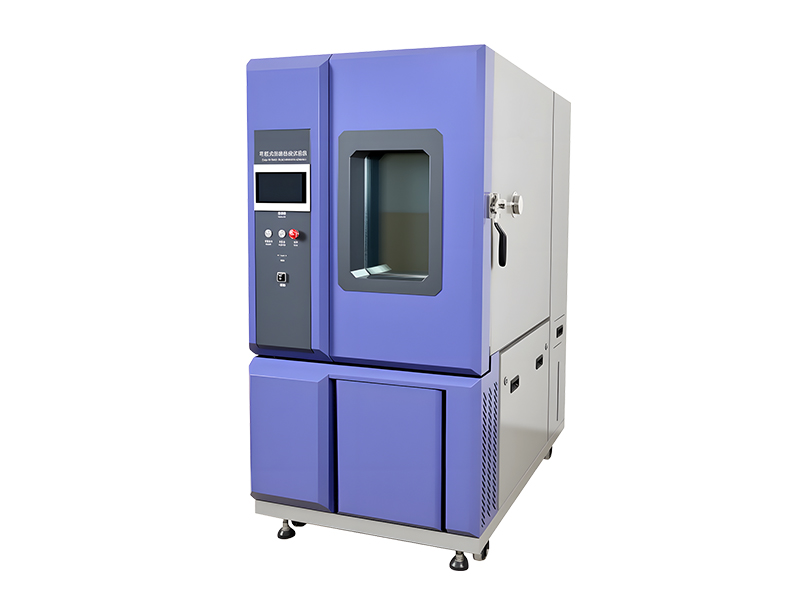
When selecting a high and low temperature test chamber, you should consider the critical factors that influence your testing needs. The chamber must align with your specific requirements to ensure you achieve reliable results. Many products, such as mobile phones, plastics, metals, and food, utilize environmental test chambers. These chambers simulate extreme hot or cold conditions. High temperature tests evaluate performance at 200 ℃, 175 ℃, or 125 ℃, while low temperature tests assess functionality at -65 ℃, -55 ℃, or -40 ℃. By choosing the right chamber, you protect sensitive components and ensure accurate product development and testing.
Key Takeaways
- Pick the right temperature range for your tests. Make sure the chamber can reach the temperatures you need for good results.
- Check how well the chamber controls temperature. The temperature should stay steady within ±0.5°C. This is important for good testing and meeting industry rules.
- Think about the chamber's size and inside space. Make sure your samples fit well. This helps save energy and keeps test results correct.
- Make sure the chamber has safety features and meets world standards. This keeps your testing safe and your results trustworthy.
- Find out if there is good maintenance and support. Fast help with parts and service keeps your chamber working well and stops long delays.
Temperature Range
Picking the right temperature range is very important. You must make sure the chamber can reach the temperatures your product needs. If the chamber cannot do this, your results may be wrong. The equipment could even get damaged.
Minimum and Maximum Limits
Always look at the lowest and highest temperatures the chamber can reach. Most environmental test chambers have many settings. The table below shows some common numbers:
| Test Type |
Temperature Range (°C) |
| High Temperature |
200, 175, 155, 125, 100, 85, 70, 55, etc. |
| Low Temperature |
-65, -55, -40, -25, -10, -5, +5, etc. |
Different jobs need different temperature ranges. For example:
- Aerospace and military research need very hot and very cold tests.
- 5G semiconductors and electronics need careful control for small parts.
- Mobile phones, plastics, metals, food, chemistry, building materials, and medical products all need special settings.
Tip: A bigger temperature range is not always better. Pick the range that matches your tests.
People sometimes make mistakes like:
- Picking the cheapest chamber without thinking about future costs.
- Not checking how well the chamber works at the temperatures you need.
Control Precision
Good temperature control gives you results you can trust. Most high and low temperature test chambers use advanced PID control systems. These systems keep the temperature steady, usually within ±0.5°C. This is very important for long tests and for products that change with small temperature moves.
- Temperature that stays within ±0.5°C helps you test well.
- Steady control stops problems and keeps your samples safe.
When you pick a temperature test chamber, always check how well it controls the temperature. Good control helps you follow industry rules. It also makes sure your products work in real life.
Chamber Volume and Size
Internal Space
You should look at the inside space of your environmental test chamber before testing. The chamber’s volume tells you how many samples you can test at one time. If the chamber is too small, your samples will not fit. If it is too big, you waste energy and space. Pick a chamber size that matches your testing needs.
Lab work depends on the chamber’s size. The table below shows how different features help:
| Feature |
Benefit |
| Custom Chamber Sizing |
Custom sizes fit your lab and workflow needs |
| Modular Infrastructure |
You can add more features as your research changes |
You can pick a custom chamber size for your lab. Modular chambers let you add features when you need them. This helps you use your space well and keeps your work smooth.
Tip: Always measure your lab space before you buy a temperature test chamber. This helps you avoid problems when you install it.
Specimen Accommodation
Think about how many specimens you want to test and their size. The chamber’s volume affects where you put samples and how well tests work. If you put too many samples in, the temperature may not be even.
- Each specimen should take up less than one third of the chamber’s volume. This helps you get good test results.
- For non-thermal samples, use less than one fifth of the chamber’s volume.
These rules protect your results. They also stop hot or cold spots in the chamber. When picking a high and low temperature test chamber, check the biggest load it can hold. This keeps your chamber working well and stops mistakes.
Note: Good specimen placement helps you follow industry rules and keeps your tests the same each time.
Engineering and Space Requirements
Installation Needs
You need to think carefully before installing your high and low temperature test chamber. The size of the chamber changes how your lab is set up. Measure your lab space before you buy any equipment. Make sure the chamber can fit through all doors and hallways. Leave enough room around the chamber for people to work safely and fix things if needed.
Good airflow is very important for environmental test chambers. Air-cooled chambers need at least 12 to 18 inches of space from walls or other things. This space helps air move well and stops the chamber from getting too hot. You should also look at where power outlets and vents are in your lab. Putting the chamber close to these makes setting it up easier and safer.
Tip: Always check your building’s floor plan and where utilities are before picking a temperature test chamber.
Structural Considerations
The way your lab is built matters when you pick a spot for your environmental test chamber. The floor must be very flat, with only a small slope of 1/8-inch every 10 feet. If the floor is not flat, it can be hard to put the chamber together. It can also make the chamber panels wear out faster. You should also make sure the floor is strong enough to hold the chamber.
Ceiling height and shaking are also important. Some chambers need more space above for putting them together or opening doors. Machines that shake should not be close to sensitive tools, or they might cause problems.
Here is a table to help you remember the main things to check:
| Consideration |
Details |
| Air Flow |
Air-cooled chambers need 12-18 inches of space from walls for good air movement. |
| Floor Quality |
The floor should be flat to 1/8-inch every 10 feet to hold the chamber well. |
| Chamber Assembly |
Floors that are not flat make it hard to build and seal the chamber, and panels may not last long. |
- Shaking can cause trouble for the chamber and other equipment nearby.
- Most labs have grid spaces about 22 by 33 feet, which can limit where you put things.
If you follow these engineering and space rules, your temperature test chamber will work safely and well in your lab.
Utility and Ventilation Needs
Power Supply Compatibility
Check the power supply before you set up a high and low temperature test chamber. Each chamber needs different power, depending on what you will test. The materials in your devices can change how much power the chamber uses. Some materials get hot fast, but others do not. This changes how much energy the chamber needs to work right.
- Devices that do not get hot fast may not need a strong chamber. You can save money if you pick a chamber that fits your needs.
- Devices that get hot fast need more power. If your chamber is not strong enough, tests may take longer and results may be wrong.
- Always look at the voltage and phase needed. Many environmental test chambers use three-phase power, which is normal in big labs.
Tip: Ask your supplier for a chart that shows power needs. This helps you match your lab’s power to the chamber and saves you from spending extra money.
Ventilation and Airflow
Good ventilation and airflow are needed for safe and steady use of your temperature test chamber. Airflow stops the chamber from getting too hot and keeps test conditions steady. Many temperature and humidity chambers also test HVAC systems for airflow.
- These chambers copy different temperature and humidity levels to see how air moves.
- You can use them to find spots where air does not move well or where temperature is not even.
- Checking the chamber often helps keep air moving, waste collected, and air clean.
A lab with good airflow keeps your equipment and team safe. Put your environmental test chamber where air can move around it. This helps the chamber work well and last longer.
Note: Good airflow design keeps the air healthy and makes your test results better.
Heating and Cooling Performance
Ramp Rates
Ramp rates tell you how fast the chamber changes temperature. Some tests need the chamber to heat or cool very quickly. This is important for tests like thermal shock testing. You should pick a chamber with the right ramp rate for your work.
- Ramp rates show how quickly the chamber heats or cools.
- Fast ramp rates are needed for tests like thermal shock.
- Some standards, like IEC 60068-2-14, need ramp rates up to 20°C per minute.
A fast ramp rate means you wait less between tests. You can finish more tests in a shorter time. This helps your lab work better. Quick temperature changes also help you follow strict rules and copy real-life situations.
Tip: Always look at ramp rate details before you buy a chamber. Faster ramp rates help you save time and test more samples.
Temperature Uniformity
Temperature uniformity means the chamber keeps the same temperature everywhere inside. If the chamber does not do this, some samples may get too hot or too cold. This can make your results wrong and show problems with the chamber, not your product.
Uniform temperature is very important for good testing. When the chamber has good uniformity, every sample gets the same treatment. This makes your results fair and helps you meet quality rules.
To get the best temperature uniformity in big chambers, try these tips:
- Use trays for small parts and rubber things to keep them clean.
- Put liquids in strong, sealed containers.
- Keep samples below one-third of the chamber’s space for good airflow.
- Do not use high airflow speeds, as this can mess up heat transfer.
- Leave space from the chamber walls to stop hot or cold spots.
Note: Good temperature uniformity helps your high and low temperature test chamber give you results you can trust every time.
Safety and Compliance
Protection Features
When you pick a high and low temperature test chamber, safety is very important. Modern chambers have many protection features to stop accidents and keep your equipment safe. These features help your lab stay safe and make your tests work well.
- Leakage circuit breaker keeps power problems from hurting your chamber.
- Fuses protect the chamber if there is a short circuit.
- Alarms tell you if the temperature goes too high or too low.
- Overtemperature cutoff turns off the chamber if it gets too hot.
- Protective terminals keep the test sample power connections safe.
- Chamber pressure alarms warn you if the pressure is not safe.
- Pressure relief ports and explosion venting (NFPA compliant) help in dangerous situations.
- Heater surface temperature limiters and intrinsic safety barriers give extra protection.
- Emergency stop buttons and rapid purge systems help you act fast in emergencies.
- NFPA Class "A" ventilation systems make hazardous tests safer.
Tip: Always check that your environmental test chamber has these safety features before you buy it. These are some of the most important things for safe use.
Standards Compliance
You must make sure your temperature test chamber follows important international standards. These standards show your chamber can give reliable results and help your lab follow industry rules. Many fields, like automotive, military, and electronics, need strict compliance.
| Standard |
Description |
| MIL-STD-810 |
US military standard for environmental tests, including temperature methods. |
| ISO 16750 |
Automotive standard for electronic parts in tough conditions. |
| SAE J1211 |
Reliability testing for automotive electronics at extreme temperatures. |
| IEC 60571 |
Testing for electronic equipment in harsh environments. |
| GB/T 2423.2-2008 |
High temperature test method for electrical products. |
| GB/T 2423.1-2008 |
Low temperature test method for electrical products. |
| IEC 60068-2-2 |
Dry heat test procedures. |
| IEC 60068-2-1 |
Low temperature test procedures. |
If your chamber meets these standards, it can control temperature and humidity well and keep the temperature even inside. These features help you get accurate and repeatable results. When you follow these critical factors, your lab stays safe and your products meet global rules.
Maintenance and Support (Critical Factors)
Parts Availability
You need your high and low temperature test chamber to work all the time. Getting replacement parts easily is one of the most important Critical Factors for any lab. If you can get spare parts fast, your environmental test chamber will not be out of use for long. This keeps your testing schedule on time and stops expensive delays. If you cannot find the right part, even a small issue can stop your temperature test chamber for days or weeks. Good suppliers keep common parts ready and ship them quickly. Always ask about local parts and support before you buy. This helps you plan ahead and keeps your lab working well.
Tip: Pick a manufacturer with a strong parts network. This choice will help you avoid long waits and keep your tests going smoothly.
Service Programs
Service programs are another one of the Critical Factors to think about when picking a high and low temperature test chamber. Manufacturers have many support choices to help you take care of your equipment and stop surprise problems. These programs include help with setup and regular checkups. Preventive maintenance plans help you find problems early and make your environmental test chamber last longer. You also get help from expert technicians who know how to keep your temperature test chamber working well.
Here are some common service program options you might see:
| Service Program Option |
Description |
| Customization |
Fixtures, ports, special ranges, custom software, battery safety options |
| Installation & commissioning |
On-site setup, training, and validation support |
| Calibration |
Regular accredited calibration and mapping services |
| Maintenance |
Preventive maintenance plans to avoid catastrophic downtime |
| Spare parts |
Local stock and fast response on critical components |
| Warranty |
Clear coverage on compressor, controller, and major assemblies |
You should look at these options before you buy a high and low temperature test chamber. Preventive maintenance and quick service help you stop big problems. These Critical Factors make sure your equipment works well and your lab meets all its testing goals.
Note: A good service program protects your investment and helps you succeed for a long time.
You should look at all seven Critical Factors before picking a high and low temperature test chamber. Doing this helps you in many ways. You can figure out what tests you need to do. You can think about how big your samples are. You can check how well the chamber handles temperature and humidity. You can see if the temperature stays the same everywhere inside. You can look at how easy it is to set up tests and save data. You can check if the chamber is made well and easy to fix. You can also think about how the chamber works day to day.
Making a checklist with these ideas helps you pick the best chamber. Good support and easy repairs help you save money over time:
| Factor |
Description |
| Reduced Downtime |
A good company keeps your chamber working, so you get more done. |
| Lower Lifecycle Costs |
Spending more at first can save you money on repairs later. |
| Availability of Technical Support |
Getting help and parts fast means your chamber is not broken for long. |
| Ease of Serviceability |
If you can reach parts quickly, you can fix things faster and cheaper. |
| Mean Time Between Failures (MTBF) |
A higher MTBF means the chamber breaks less, so you can test more. |
Talk to experts and think about what you need most. This will help you get good results and make your chamber last a long time.
FAQ
What is the difference between a high and low temperature test chamber and an environmental test chamber?
A high and low temperature test chamber checks how things handle very hot and cold temperatures. An environmental test chamber can also change other things, like humidity or vibration. Pick the chamber that matches what you need to test.
How often should you calibrate a temperature test chamber?
You should check and adjust your temperature test chamber at least once every year. Doing this helps your results stay correct and lets you follow the rules for your work.
Can you test multiple samples at once in an environmental test chamber?
Yes, you can put more than one sample in the chamber. Do not put in too many samples at once. Leave space so air can move and the temperature stays even.
What safety features should you look for in a high and low temperature test chamber?
You should look for things like alarms, overtemperature protection, emergency stop buttons, and pressure relief ports. These features help keep you and your equipment safe when you do tests.






 IPv6 network supported