




Through a professional technical team, we provide customers with targeted equipment selection recommendations and comprehensive after-sales services, winning the trust and recognition of customers.
Looking for the right natural convection test chamber can feel overwhelming. You want reliable results in your laboratory, so it pays to focus on what really matters. Think about your samples, how sensitive they are, and your testing goals. Trusted brands like Jingxiu Thermal offer dependable options.
Key Takeaways
-
Prioritize temperature control and stability when selecting a natural convection test chamber. Reliable temperature management ensures accurate test results.
-
Choose the right chamber size to maintain temperature uniformity. Keep sample volume below one-third of the chamber's capacity for optimal airflow.
-
Look for features like humidity control and safety alarms. These enhance the reliability of your tests and protect sensitive samples.
Key Specifications for Natural Convection Test Chambers
Temperature Control and Range
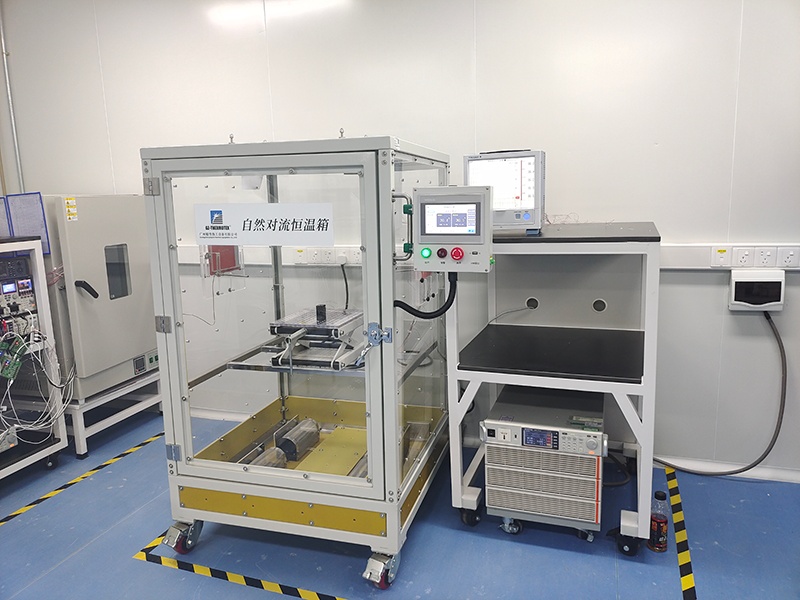
You want your laboratory tests to be accurate. That starts with temperature control. A natural convection test chamber gives you steady heat without forced airflow. You need to check the temperature range before you buy. Most chambers offer a range from just above ambient to 70°C. This covers many common lab tests.
|
Temperature Range |
|---|
|
Ambient +3°C to 70°C |
Precise temperature control matters. If your chamber can’t hold the set temperature, your results may be unreliable. Look for chambers with digital controllers. These help you set and monitor the temperature easily. You also want to see how quickly the chamber reaches the target temperature. Fast heating saves time and keeps your workflow smooth.
Tip: Always check the chamber’s temperature stability. If the chamber fluctuates, your samples may not react as expected. Stable temperature control means you get consistent results every time.
Chamber Size and Sample Volume
Choosing the right chamber size is important. You need enough space for your samples, but not too much empty room. If you pack samples too tightly, you risk losing temperature uniformity. Crowded chambers can cause temperature differences of up to 10°C. That’s a big problem for sensitive tests.
Here’s a quick guide to help you:
|
Guideline |
Explanation |
|---|---|
|
Keep specimen volume below 1/3 of chamber volume |
Prevents disruption of airflow patterns, ensuring more uniform temperature distribution. |
|
Maintain 50 mm clearance from walls |
Reduces localized heating and allows for better airflow around specimens. |
|
Maintain 100 mm clearance from vents |
Ensures that airflow is not obstructed, which can lead to temperature discrepancies. |
You should keep your sample volume below one-third of the chamber’s internal space. This helps maintain temperature uniformity. Leave space around your samples. Try to keep at least 50 mm from the walls and 100 mm from the vents. This lets air move freely and keeps the temperature steady.
-
Densely packed specimens can disrupt airflow, leading to temperature zones.
-
High airflow speeds from crowding can exceed testing standards, distorting heat exchange.
-
Blocking air circulation can increase temperature differences by up to 10°C.
If you follow these guidelines, you get better temperature uniformity. Your samples will heat evenly, and your results will be more reliable.
Humidity Levels and Stability
Humidity control is another key factor. Some tests need specific humidity levels. Not all natural convection test chambers offer humidity control, so check the specs. If your tests require humidity, look for chambers with built-in sensors and controls.
Stable humidity is just as important as temperature stability. Fluctuating humidity can affect sensitive samples. You want a chamber that keeps humidity steady throughout the test. This helps you avoid unexpected changes in your results.
Note: If your laboratory often tests materials sensitive to moisture, invest in a chamber with advanced humidity control. This protects your samples and ensures accurate data.
Temperature control, temperature range, and temperature uniformity are the backbone of reliable lab testing. When you choose a natural convection test chamber, focus on these specs first. You’ll get consistent results and protect your samples from unwanted changes.
Essential Features of Lab Ovens
Corrosion Resistance and Durability
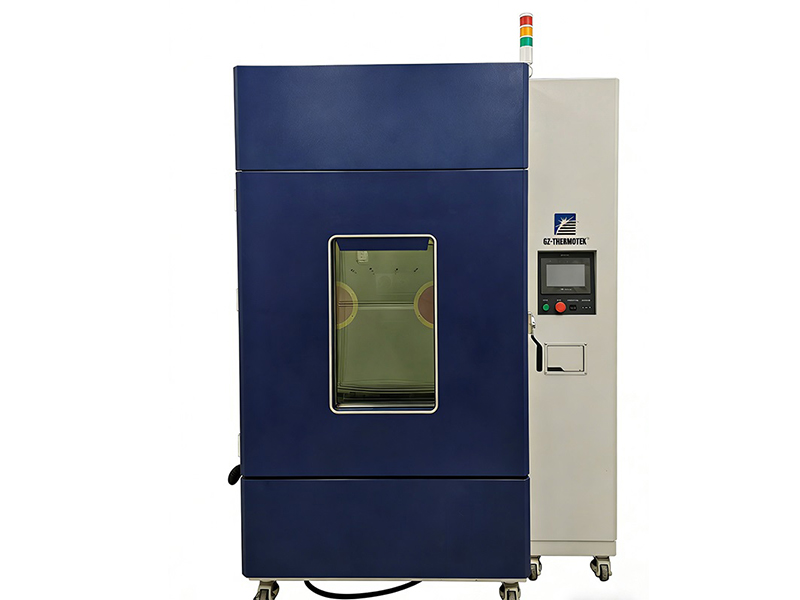
When you choose a lab oven, you want it to last. Durability matters because you need equipment that stands up to daily use. Stainless steel interiors give you the best protection against corrosion. If your lab oven handles acids or other harsh chemicals, stainless steel keeps the inside from rusting or breaking down. Many lab ovens use stainless steel for both the interior and shelves. This material resists corrosion much better than plated or galvanized steel. Double-wall construction adds even more durability, so your lab oven can handle years of work without trouble.
Tip: Stainless steel interiors make cleaning easy and help your lab oven stay in top shape for longer.
User Interface and Controls
A good lab oven should make your life easier, not harder. Digital controls are a game changer. You get precise temperature settings and stability, which is key for accurate results. Look for a lab oven with a digital PID microprocessor. This type of control keeps the temperature within ±0.5°C. Large LED displays let you check the temperature at a glance. Some models even have a lock mode, so you don’t accidentally change the settings during a test.
-
Digital controls offer:
-
Easy temperature setting
-
Stable operation
-
Accurate readings within ±0.5°C
-
Clear LED displays for monitoring
-
Maintenance and Calibration
Keeping your lab oven in good shape doesn’t have to be hard. Most models need only minimal routine maintenance. You should do a quick inspection every quarter to catch any issues early. Regular calibration is also important. Check the temperature accuracy at least once a year with a calibrated thermometer. This step makes sure your lab oven’s display matches the real temperature inside. Reliable calibration means you can trust your test results every time.
Note: Annual calibration and quarterly inspections help your lab oven deliver consistent, accurate results and extend its durability.
Advanced Options and Practical Considerations
Energy Efficiency
You want your laboratory to run smoothly without wasting resources. Energy efficiency matters when you choose a natural convection test chamber. Efficient heating systems use less power and help you save on operational costs. Many chambers feature insulated cabinets and smart controllers that reduce heat loss. You get steady temperatures and lower electricity bills. Good airflow design also plays a role. It keeps the chamber warm without overworking the heater.
Tip: Look for models with programmable timers and automatic shut-off. These features cut down on unnecessary energy use and make your lab more sustainable.
Safety Alarms
Safety should always come first in your laboratory. Modern chambers include alarms and protective features that help prevent accidents. Here’s a quick look at what you might find:
|
Safety Feature |
Description |
|---|---|
|
Temperature Limit Alarms |
Cuts off heating and alerts you if the temperature goes above safe limits. |
|
Over-current and Over-temperature |
Protects electrical parts from damage due to excess current or heat. |
|
Insulated Cabinets |
Keeps the outside cool so you stay safe while working. |
|
Sample Protection |
Alarms and heater shut-off prevent sample damage from temperature spikes. |
|
Fault Information Display |
Shows clear fault messages if something goes wrong. |
These features keep your equipment and samples safe. You can focus on your work without worrying about unexpected hazards.
Environmental Impact
You care about the planet. Choosing a chamber with low environmental impact makes a difference. Energy-efficient models use less electricity and produce fewer emissions. Durable materials like stainless steel reduce waste because you won’t need to replace your chamber often. Some brands offer eco-friendly packaging and recycling programs. You help protect the environment while keeping your laboratory running efficiently.
Brand Reputation: Jingxiu Thermal
You want support and reliability from your equipment provider. Jingxiu Thermal stands out for its quality and service. The company holds several certifications:
-
Specialized and Precision-oriented Enterprise certification from Guangdong Province.
-
High-Tech Enterprise certification.
-
ISO9001:2015 Quality Management System certification.
These awards show Jingxiu Thermal’s commitment to excellence. You get peace of mind knowing your chamber meets strict standards and comes from a trusted brand.
Making the Right Choice for Your Lab
Accuracy and Reliability
You want your results to be trustworthy every time you run a test. Accuracy and reliability matter most when you choose a natural convection test chamber. Many users praise these chambers for their steady performance and low risk with sensitive samples. Procurement teams in pharmaceuticals and food research often pick these models because they protect sample integrity. Take a look at how reliability ratings influence decisions:
|
Evidence Type |
Description |
|---|---|
|
User Feedback |
Reliable operation keeps sensitive samples safe and results consistent. |
|
Market Analysis |
Labs prefer low-disturbance chambers for critical testing. |
If you want peace of mind, focus on models with strong reliability ratings.
Flexibility for Applications
Your laboratory needs can change from day to day. You might dry samples, sterilize glassware, cure coatings, or anneal metals. A flexible chamber handles all these tasks with ease:
-
Sample Drying: Removes moisture from specimens without damage.
-
Sterilization: Uses dry heat to clean lab tools.
-
Curing: Hardens materials with controlled heat.
-
Annealing: Makes metals or glass less brittle.
Modern chambers offer features like wide temperature ranges, user-friendly controls, and advanced safety systems. These options let you adapt to many applications without switching equipment.
Warranty and Support
You want your investment to last. Most leading manufacturers offer a two-year warranty on their chambers. After-sales support keeps your equipment running smoothly. Regular maintenance and quick repairs mean less downtime and lower costs. Good support adds value to your purchase and helps your laboratory stay productive.
Tip: Always check the warranty and support options before you buy. Reliable service can make a big difference over time.
When you pick a natural convection test chamber, remember these tips:
-
Focus on temperature control, chamber size, and durability.
-
Match features to your laboratory needs.
-
Ask trusted brands like Jingxiu Thermal for advice. Ready to upgrade? Make your next lab oven purchase with confidence!
FAQ
What is a natural convection test chamber?
A natural convection test chamber uses gentle airflow to heat samples. You get stable temperatures without forced fans. It works well for sensitive materials.
How do I maintain a natural convection temperature chamber?
You should clean the interior regularly. Check the temperature calibration once a year. Stainless steel makes cleaning easier and keeps your chamber in good shape.
Can a natural convection chamber control humidity?
|
Feature |
Availability |
|---|---|
|
Humidity Control |
Optional |
|
Temperature |
Standard |
Some chambers offer humidity control. Always check the specs before you buy.

 IPv6 network supported